



Assistive Device and Adaptive Equipment Planning
Assessment, planning and follow-up for orthotics, seating systems, standing frames and mobility equipment.
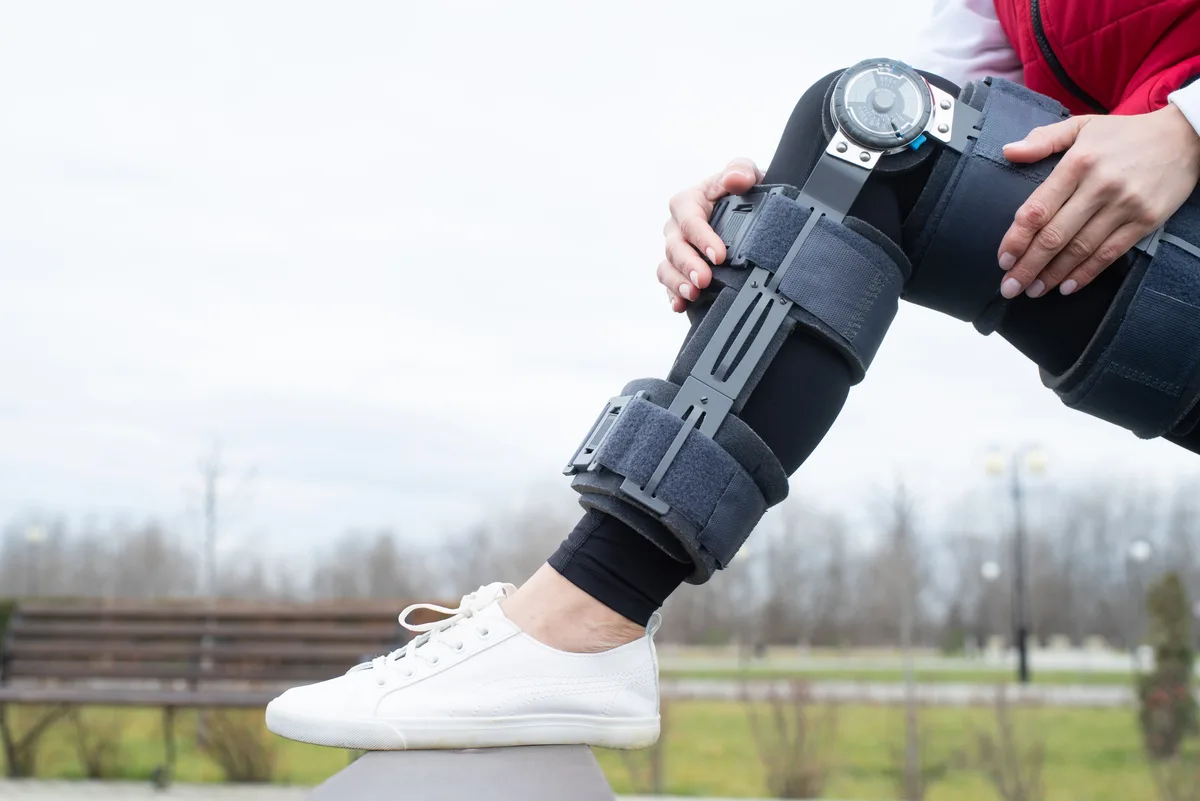
The Right Device, at the Right Time, in the Right Size
Assistive devices and equipment directly affect a child’s daily life: their posture, their ability to use their hands, their feeding, the way they connect with the world around them. A device chosen incorrectly, or not updated as the child grows, creates new problems instead of benefit. At Trea Kids we assess the need, guide you towards suitable options and follow up on how the device is used.
Orthotics
Orthoses such as AFO, DAFO, night splints and insoles are used to maintain joint alignment, prevent unwanted postures and support walking. The assessment considers the child’s muscle tone, joint range of motion and gait analysis together. How many hours a day the orthosis should be worn, how to check the skin and when it needs replacing are explained to the family in detail.
Seating Systems
Correct seating directly affects trunk control, hand use, safe swallowing and eye contact. The adaptive chair, support cushions, belt and table layout are planned to the child’s measurements. The aim is not to restrain the child, but to let them spend their energy on learning rather than on staying upright.
Standing Frames
For children who cannot stand independently, regular time in an upright position supports bone density, digestive and respiratory function, bladder emptying and joint mobility. The type of frame (prone, supine or upright), daily duration of use and angle settings are set for each child and re-measured as they grow.
Mobility Equipment
When choosing a pushchair, adaptive stroller, walker or wheelchair, postural support, safety, portability and the family’s daily life are assessed together. A family living in a building with stairs does not have the same needs as one that travels by car; the recommendation is always made according to real living conditions.
Follow-up and Renewal
- Regular size checks as the child grows
- Monitoring skin integrity and pressure points
- Adjusting the duration of use gradually
- Guidance for the family in contacting orthotics and equipment suppliers
- Information about reporting processes
What you may be wondering
We answer the questions on your mind with confidence, so parents can feel at ease.
Which age group does Trea Kids work with?
Trea Kids is a paediatric neurorehabilitation centre specialised in children aged 0–12. Because intervention is far more effective in early childhood, priority is given to the 0–6 age group.
How long does intensive therapy last?
Our intensive therapy programmes are usually planned over 3 to 6 weeks, with sessions of 1 to 2 hours, five days a week. The duration and intensity are set according to the child’s needs following the assessment.
What is TheraTogs and can every child use it?
TheraTogs is a wearable therapy garment that supports a child’s posture and movement control. It is not suitable for every child; suitability is decided after an initial assessment and the system is adjusted individually.
Can families take part in the therapy process?
Absolutely. Family involvement is very important at Trea Kids. We give feedback about the sessions, suggest supportive activities to do at home and make the family an active part of the process.
Is an assessment carried out before the sessions?
Yes. Before any of our services, the child’s physical, emotional and developmental status is assessed in detail. Goals are set and the therapy plan is built on the results of that assessment.
Let’s take the first step for your child’s development at the right time
We start with an assessment meeting and build a programme designed for your child.